
Managed Security Services through web penetration testing. In 2025, online advertising has become more competitive than ever, and Google Ads remains one of the most powerful platforms to reach potential customers. But with high-value ad campaigns comes a growing risk of click fraud. Malicious competitors, automated bots, and click farms are draining advertising budgets without generating real leads. One powerful way to counter this problem i web penetration testing. While commonly used to identify website vulnerabilities, web penetration testing can also be strategically applied to detect and prevent fraudulent clicks. In this article, we’ll explore how it works, why it’s effective, and how you can integrate it into your Google Ads security strategy.
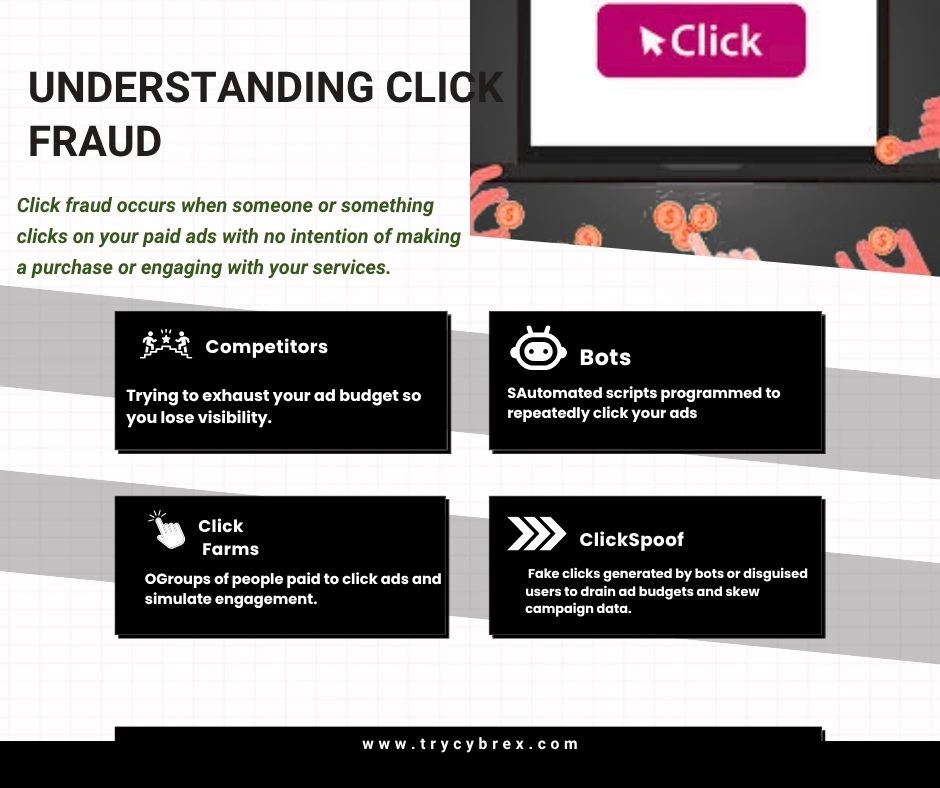
Understanding Click Fraud
Click fraud occurs when someone or something clicks on your paid ads with no intention of making a purchase or engaging with your services.
Common sources of click fraud:
- Competitors: Trying to exhaust your ad budget so you lose visibility.
- Bots: Automated scripts programmed to repeatedly click your ads.
- Click Farms: Groups of people paid to click ads and simulate engagement.
Negative impacts include:
- Rapid depletion of ad budgets.
- Skewed performance data, making campaign optimization harder.
- Reduced return on investment (ROI).
What is Web Penetration Testing?
Web application security testing through Web Penetration Testing is a process where ethical hackers simulate real-world cyberattacks on your website or systems to identify security vulnerabilities. In the context of Google Ads click fraud, penetration testing can…
- Analyze vulnerabilities in ad landing pages.
- Identify fake traffic sources.
- Strengthen your systems against automated click attacks.
How Penetration Testing Stops Google Ads Click Fraud
1. Identifying Vulnerable Landing Pages
Fraudulent bots often target your ad’s landing pages directly. A penetration test can reveal weak spots in:
- Forms without CAPTCHA protection.
- Pages lacking bot filtering rules.
- Exposed tracking URLs.
2. Detecting Suspicious Traffic Patterns
By simulating attacks, testers can spot:
- Unusual click frequency from a single IP.
- Geo-location anomalies in traffic reports.
- Abnormal device/browser patterns.
3. Blocking High-Risk IPs and Regions
Once identified, penetration testers can configure:
- IP blacklists.
- Regional restrictions for ad campaigns.
- Custom rules in Google Ads to filter bad traffic.
4. Securing APIs and Ad Tracking Systems
Managed cybersecurity services play a key role in ensuring that attackers cannot exploit analytics and conversion tracking APIs to fake engagement. Web penetration testing ensures these are secured against manipulation.

Best Practices for Using Penetration Testing Against Click Fraud
- Run Regular Tests: Online security is crucial, so perform web penetration testing at least quarterly to detect evolving fraud tactics
- Integrate Click Fraud Detection Tools: Combine results with platforms like ClickCease or PPC Protect for real-time monitoring, strengthening your digital security.
- Enable Multi-Layered Security: Add firewalls, bot detection, and CAPTCHA on all ad landing pages.
- Analyze Campaign Reports Weekly: Look for traffic spikes or patterns that indicate fraud.
Extra Steps to Protect Your Google Ads Budget
Even with penetration testing, you should:
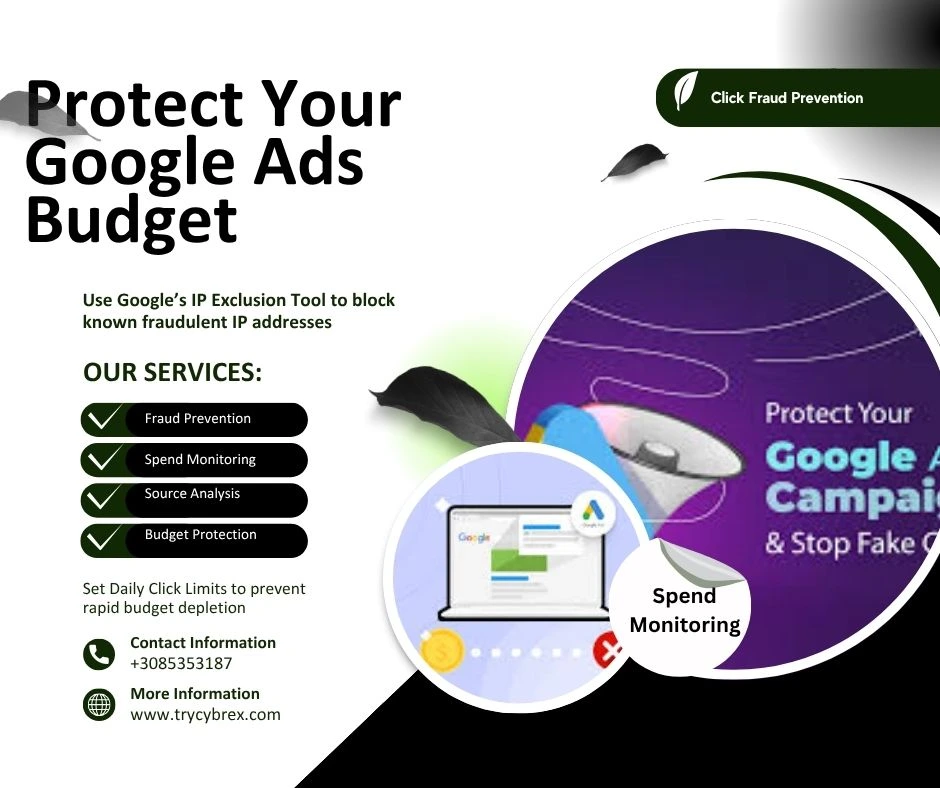
- Use Google’s IP Exclusion Tool to block known fraudulent IP addresses.
- Limit Ad Exposure in High-Risk Regions where click fraud is prevalent.
- Set Daily Click Limits to prevent rapid budget depletion.
- Monitor Conversions Closely to ensure you’re paying for real leads, not fake clicks. if you more read relvent pot then click this link Top Click Fraud Detection Tools Which One is Best for Your Business?
Why This Matters in 2025
Cybersecurity risk assessment is crucial as click fraud tactics become more sophisticated with AI-driven bots and automated scripts. Simple IP blocking is no longer enough. Web Penetration Testing offers a proactive, advanced approach that not only strengthens your website but also protects your ad spend by identifying vulnerabilities before they are exploited.
Conclusion
Your Google Ads campaigns are only as effective as the traffic they attract. Click fraud can silently eat away at your advertising budget, lowering ROI and hurting business growth. In 2025, a managed security service provider plays a vital role in Web Penetration Testing, which is more than a cybersecurity measure it’s a critical component of digital marketing protection. By regularly testing your systems, securing landing pages, and integrating fraud detection tools, you can keep your ad spend safe and ensure your campaigns reach genuine prospects. Protecting your Google Ads budget today means securing your business growth for the future.