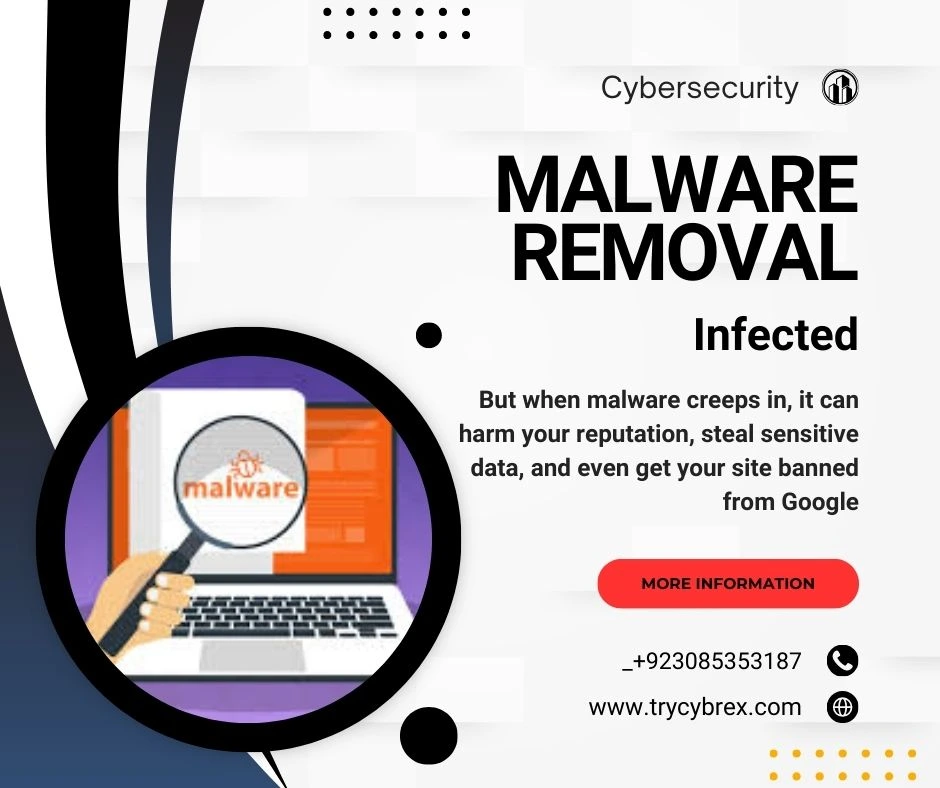
Malware removal tools are essential for WordPress websites, as WordPress is one of the most popular content management systems (CMS) in the world, powering millions of websites. With such widespread use, it’s also a prime target for hackers looking to exploit vulnerabilities. One of the most common and damaging threats to WordPress websites is malware protection . Using a free malware scanner can help detect and eliminate harmful malware, which can slow down your site, steal sensitive data, or even cause complete website failure. In this blog, we’ll discuss essential WordPress security tips that will help protect your site from malware and keep it running
1. Keep Your WordPress Core, Themes, and Plugins Updated
The first line of defense against malware is ensuring that your WordPress core, themes, and plugins are always up to date. Regularly running a website malware scanner helps you detect potential threats early on. Developers constantly release updates to fix security vulnerabilities and improve functionality. Failing to update these components makes your site an easy target for hackers who are aware of outdated versions.
Tip: Set your WordPress settings to automatically update minor versions, but always double-check major updates to ensure compatibility with your current theme or plugin.
2. Use a Reliable WordPress Security Plugin
A good WordPress security plugin can help monitor your site for malware and other vulnerabilities. These plugins often include features like malware scanning, real-time protection, and firewall protection. Popular security plugins like Wordfence or Sucuri can help you with computer security, detect malware, and prevent it from wreaking havoc on your site.
Tip: Choose a reputable plugin, regularly scan your site for malware protection , and make use of the plugin’s live malware protection features.
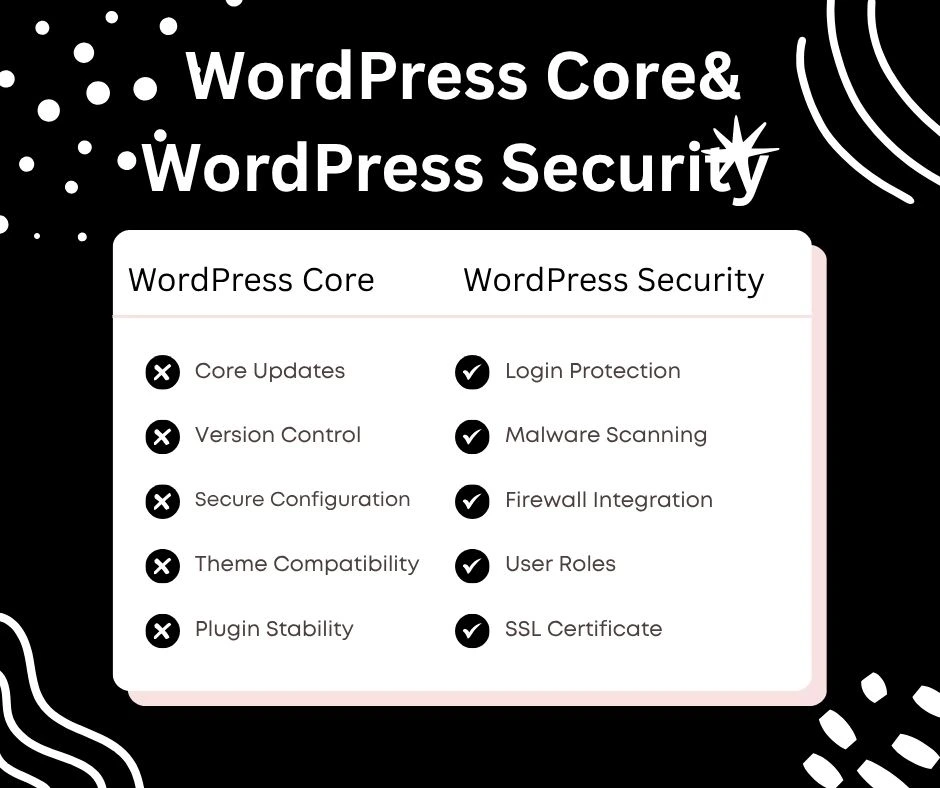
3. Enable Two-Factor Authentication (2FA) for Login Protection
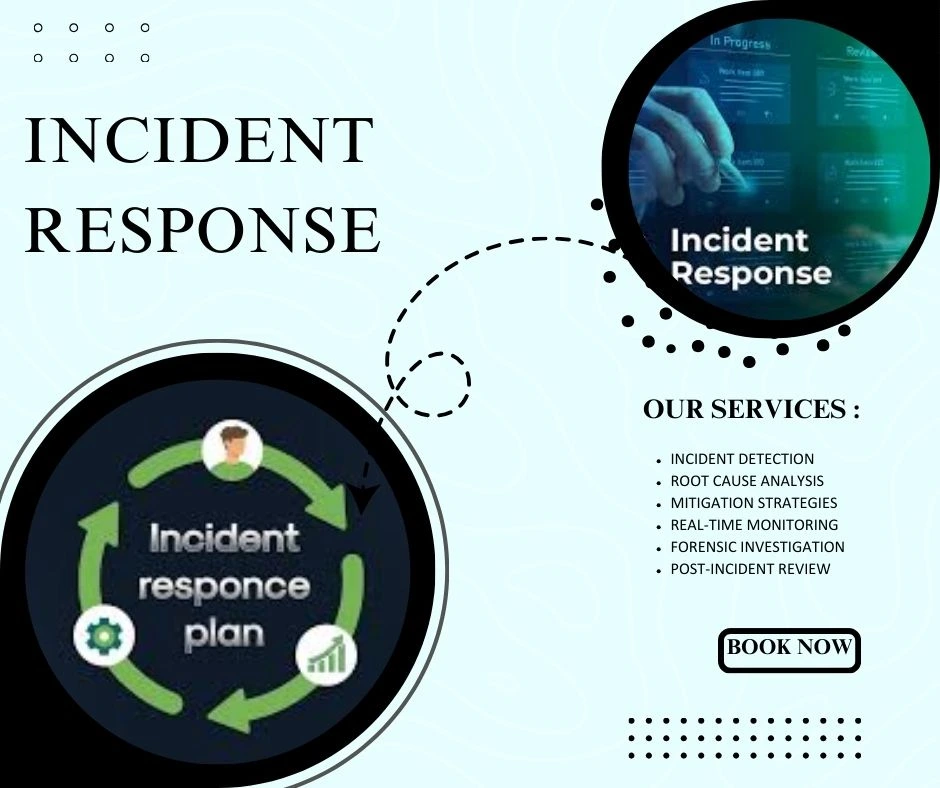
Malware protection is important because malware isn’t the only threat to your site’s security; hackers often attempt to access WordPress admin panels using brute-force methods. Incident response compliance ensures that your site follows best practices to respond to these threats. Two-factor authentication (2FA) adds an extra layer of protection by requiring users to verify their identity through a secondary method, such as a code sent to their mobile device. This makes it much harder for hackers to gain unauthorized access.
Tip: Install a 2FA plugin like Google Authenticator to require an additional layer of security at login.
4. Install a Firewall to Block Malicious Traffic
A firewall serves as a barrier between your website and external threats, blocking malicious traffic from reaching your site. WordPress websites are vulnerable to brute force attacks, DDoS attacks, and other malicious behaviors. Ethical hacking techniques, like penetration testing, can help identify vulnerabilities in your site. Using a security plugin with a built-in firewall, or implementing a third-party service like Cloudflare, can protect your site from these types of attacks.
Tip: Set up a WordPress firewall to block suspicious IP addresses and limit access attempts to your login page. How Malware Causes Google Ads Budget Loss And How to Stop It [Case Study]

5. Monitor Your Site’s File Integrity Regularly
Hackers often inject malware into the core files of your WordPress installation. Regularly monitoring your website’s file integrity helps you spot any unusual changes or new files that could be the result of a malware protection infection. Data protection is crucial in this process, as it ensures that your website remains secure and free from unauthorized alterations. Many WordPress security plugins can scan your files for changes and send you notifications if anything suspicious is detected.
Tip: Enable file integrity monitoring in your security plugin to track any changes made to critical files, like your wp-config.php file
6. Use SSL Encryption to Protect User Data
SSL (Secure Sockets Layer) encryption is essential for protecting sensitive data such as passwords, personal details, and payment information. It ensures that information transmitted between your website and users is encrypted and cannot be intercepted by third parties. This also plays a vital role in ransomware protection, as it helps safeguard against cyberattacks targeting sensitive data. Additionally, adhering to GDPR regulations ensures that your website complies with data protection laws, and search engines like Google prioritize SSL-secured websites, improving your SEO ranking
Tip: Ensure your WordPress site uses HTTPS encryption by installing an SSL certificate. Being GDPR compliant also requires secure data transmission, and you can often get an SSL certificate for free through your hosting provider..
7. Regular Backups Your Safety Net for Malware Protection
Even with the best security practices in place, malware protection is essential as attacks can still happen. That’s why adopting a zero trust approach, along with regular backups, is critical to protecting your website. Having a backup allows you to restore your website quickly in the event of a malware infection. Backup services like UpdraftPlus or VaultPress offer automated backups, so you don’t have to worry about losing your content.
Tip: Schedule regular backups of your website and store them in a secure location, such as cloud storage.
8. Limit User Permissions
Granting full admin access to multiple users increases the chances of malware being introduced to your site through social engineering tactics. It’s essential to limit user permissions and give only the necessary access to each user. For example, if a user only needs to write content, don’t give them admin privileges. Keeping the number of admin accounts to a minimum will reduce the risk of a compromised account.
Tip: Review your user roles regularly and remove any unnecessary admin privileges to limit the risk of internal threats.
9. Regular Malware Scanning
You can’t afford to wait until it’s too late to check for malware; vulnerability assessment is key to proactive security. Regular malware protection scanning allows you to detect malicious software before it damages your website. Many security plugins offer this feature, and third-party services like Sucuri can scan your website regularly for malware protection and infection.
Tip: Schedule regular malware scans to ensure your website remains free of infections and vulnerabilities.
10. Educate Yourself and Your Team About Security Best Practices
Last but not least, staying informed about the latest security threats is crucial. Malware techniques evolve, and new vulnerabilities are discovered frequently. Make sure you and anyone else with access to your WordPress website are aware of security best practices, such as using strong passwords, not clicking on suspicious links, and recognizing phishing attempts.
Tip: Keep up to date with WordPress security blogs and resources to stay informed about the latest threats and security patches.
Conclusion
Malware is a constant threat to WordPress websites, but with the right tools and strategies, malware protection can help you protect your site from malicious attacks. By regularly updating your site, using strong security plugins, enabling 2FA, and implementing a firewall, you’ll drastically reduce the risk of malware and ensure your website stays secure. Remember, prevention is always better than a cure so take the steps to safeguard your website today!
If you’re unsure where to start or need help implementing these security measures, feel free to reach out. As a WordPress security expert, I’m here to help with malware protection to protect your website from malware and keep it running smoothly.Protect your WordPress site from malware and other security threats today. Contact us for professional WordPress security services and ensure your website is safe and secure.