In today’s rapidly evolving job market, traditional education alone is no longer sufficient to prepare students for successful careers. The future workforce demands not only theoretical knowledge but also practical skills and hands-on experience. Career and Technical Education (CTE) plays a pivotal role in bridging this gap by equipping students with industry-relevant skills, fostering employability, and driving economic growth. This blog post explores how CTE prepares students for the workforce, the benefits it offers, and why it is crucial for enhancing employability and the future of education and employment.
Summary
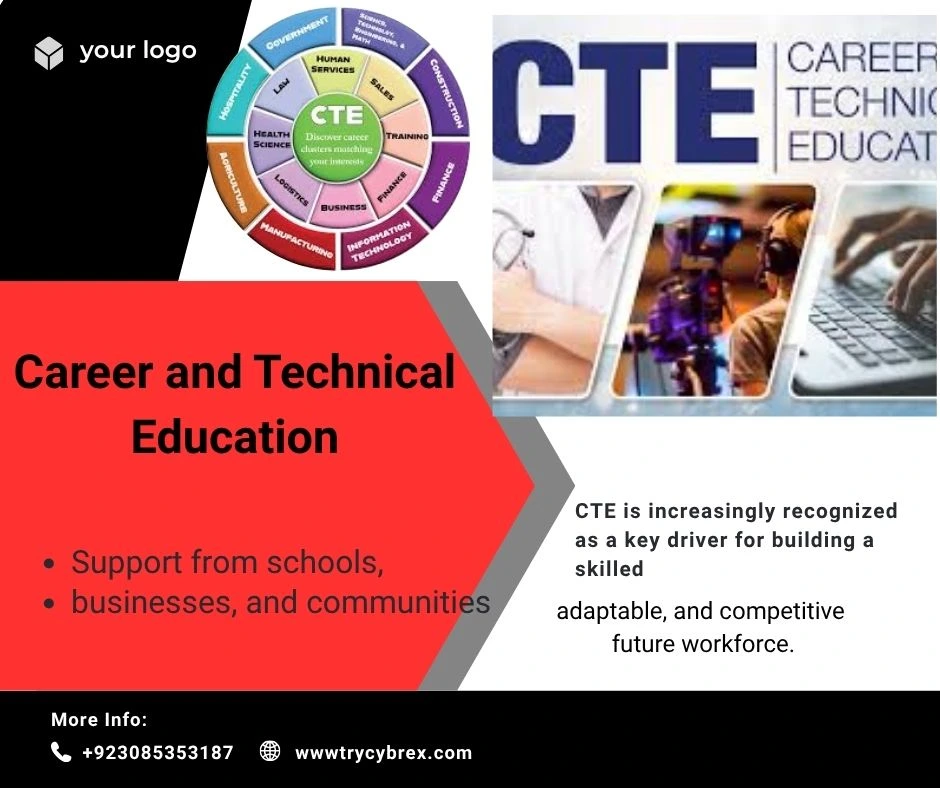
Career and Technical Education (CTE) is essential in today’s fast-changing job market because it bridges the gap between traditional education and practical workforce needs. By offering hands-on training and industry-specific vocational skills, Career and Technical Education prepares students for high-demand careers in fields like healthcare, IT, manufacturing, and more. It enhances employability through real-world experience, reduces student debt by providing career-ready credentials, and offers personalized learning paths that foster career growth. Support from schools, businesses, and communities is vital for the success of CTE programs. Despite some challenges like limited awareness and funding, CTE is increasingly recognized as a key driver for building a skilled, adaptable, and competitive future workforce.
What is Career and Technical Education (CTE)?
Career and Technical Education (CTE) refers to educational programs that specialize in teaching students practical skills and technical knowledge related to specific trades, industries, and professions.Unlike traditional academic routes, Career and Technical Education integrates classroom learning with real-world applications, preparing students to enter the workforce with confidence, competence, and strong workforce readiness.
Key Features of CTE:
- Focus on hands-on learning and skill development
- Alignment with current industry standards
- Exposure to internships, apprenticeships, and work-based learning
- Collaboration between educators, businesses, and communities https://trycybrex.com/wordpress-security-3/
Why is CTE Important for the Future Workforce?
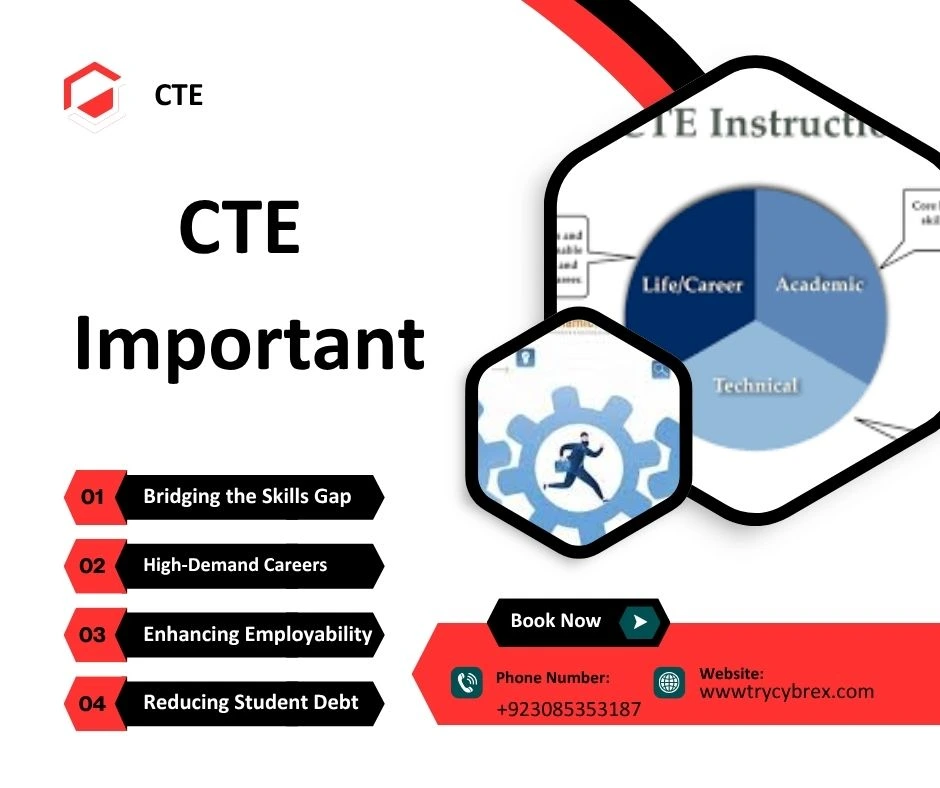
1. Bridging the Skills Gap
Many industries face a growing skills gap due to the mismatch between job requirements and the skills of job seekers. Career and Technical Education programs address this challenge by tailoring curricula to meet industry demands, ensuring students graduate with the necessary skills for work and relevant expertise.
2. Preparing Students for High-Demand Careers
CTE prepares students for careers in growing sectors such as healthcare, information technology, advanced manufacturing, renewable energy, and more. These fields require specialized technical skills that CTE programs focus on developing
3. Enhancing Employability and Job Readiness
CTE students gain practical experience through internships and real-world projects, making them more employable. They develop critical soft skills like teamwork, communication, and problem-solving alongside technical knowledge, equipping them with future skills necessary for success in the workforce
4. Reducing Student Debt and Improving Earnings
By entering the workforce with industry-recognized credentials, many CTE graduates avoid the high costs of traditional college degrees. They often start earning sooner, contributing to financial independence and economic stability.
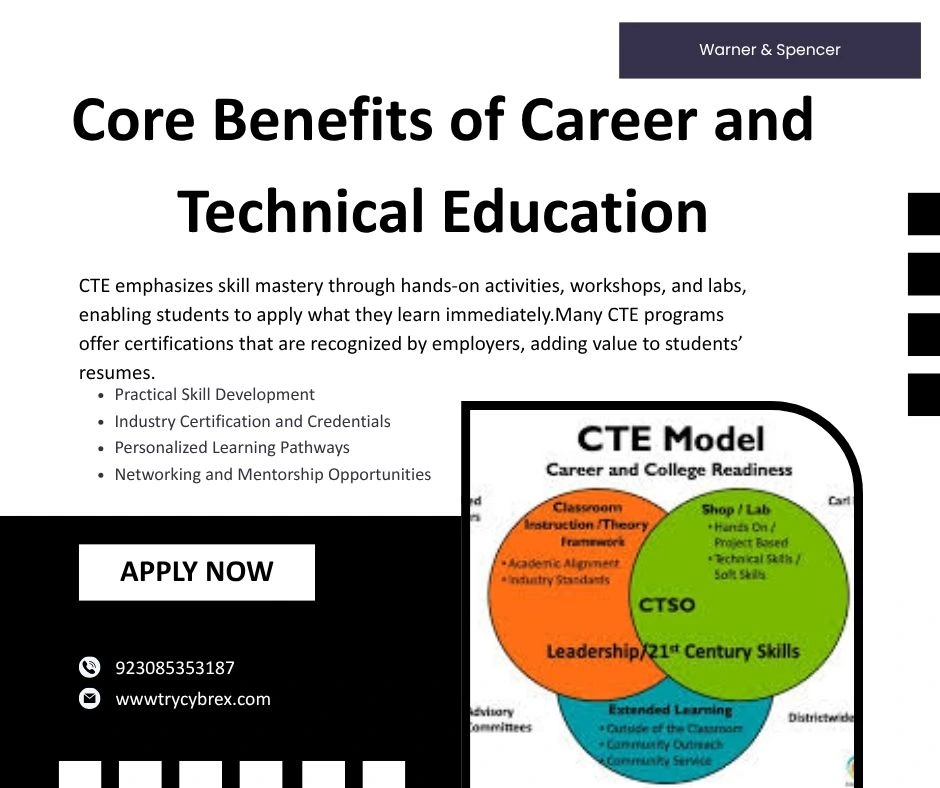
Core Benefits of Career and Technical Education
Practical Skill Development
CTE emphasizes skill mastery through hands-on activities, workshops, and labs, enabling students to apply what they learn immediately.
Industry Certification and Credentials
Many CTE programs offer certifications that are recognized by employers, adding value to students’ resumes.
Personalized Learning Pathways
Students can choose career tracks aligned with their interests and strengths, increasing motivation and engagement.
Networking and Mentorship Opportunities
Collaboration with industry professionals provides students with mentorship, real-world insights, and valuable contacts for future employment.
Examples of Popular CTE Career Pathways
- Healthcare: Nursing, medical assisting, dental hygiene
- Information Technology: Cybersecurity, software development, network administration
- Advanced Manufacturing: CNC machining, robotics, welding
- Business and Marketing: Entrepreneurship, digital marketing, finance
- Agriculture: Agribusiness, horticulture, animal science
How Schools and Communities Can Support CTE Programs
- Partnerships with Local Businesses: Facilitate internships and job placements.
- Investment in Modern Facilities and Equipment: Ensure students train with current technology.
- Professional Development for Educators: Keep teachers updated with industry trends.
- Career Counseling and Guidance: Help students select appropriate career pathways.
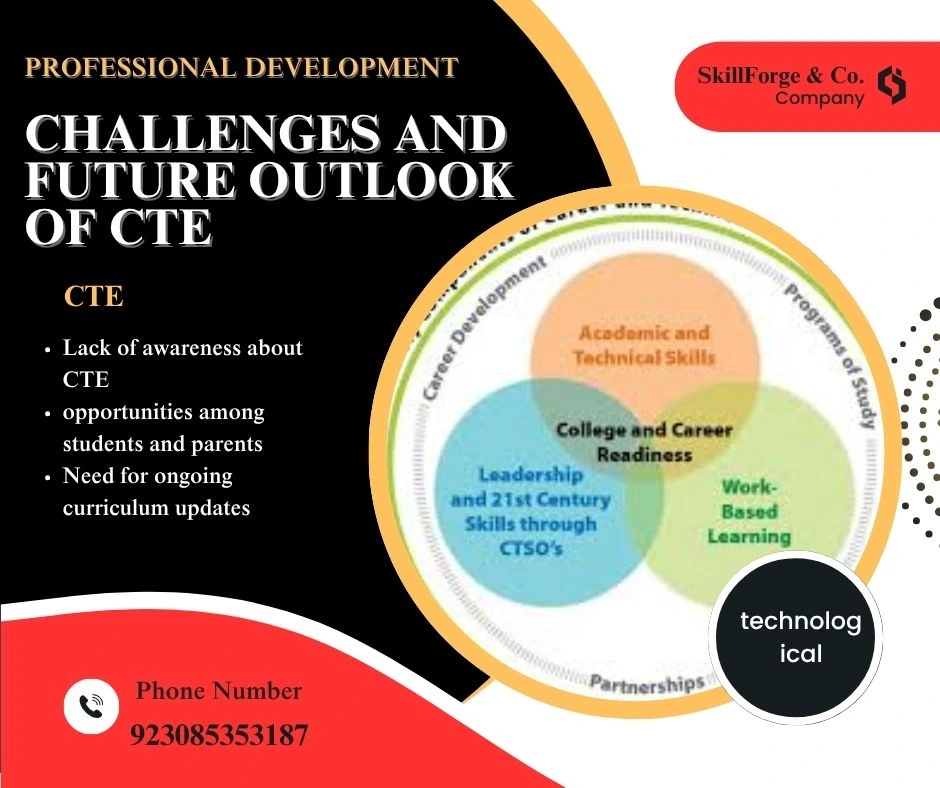
Challenges and Future Outlook of CTE
While CTE is highly effective, some challenges remain:
- Lack of awareness about CTE opportunities among students and parents
- Limited funding and resources for some programs
- Need for ongoing curriculum updates to keep pace with technological advancements
However, with increasing recognition from policymakers and educators, CTE is poised to expand and evolve, playing an even greater role in workforce development.
Conclusion
Career and Technical Education is a cornerstone for preparing students to thrive in the future workforce. By combining practical skill development with academic knowledge, CTE empowers students to meet the demands of modern industries confidently. As the job market continues to transform, investing in quality CTE programs is essential for building a skilled, adaptable, and competitive workforce. Supporting CTE not only benefits individual students by opening career pathways but also strengthens the economy and society as a whole.