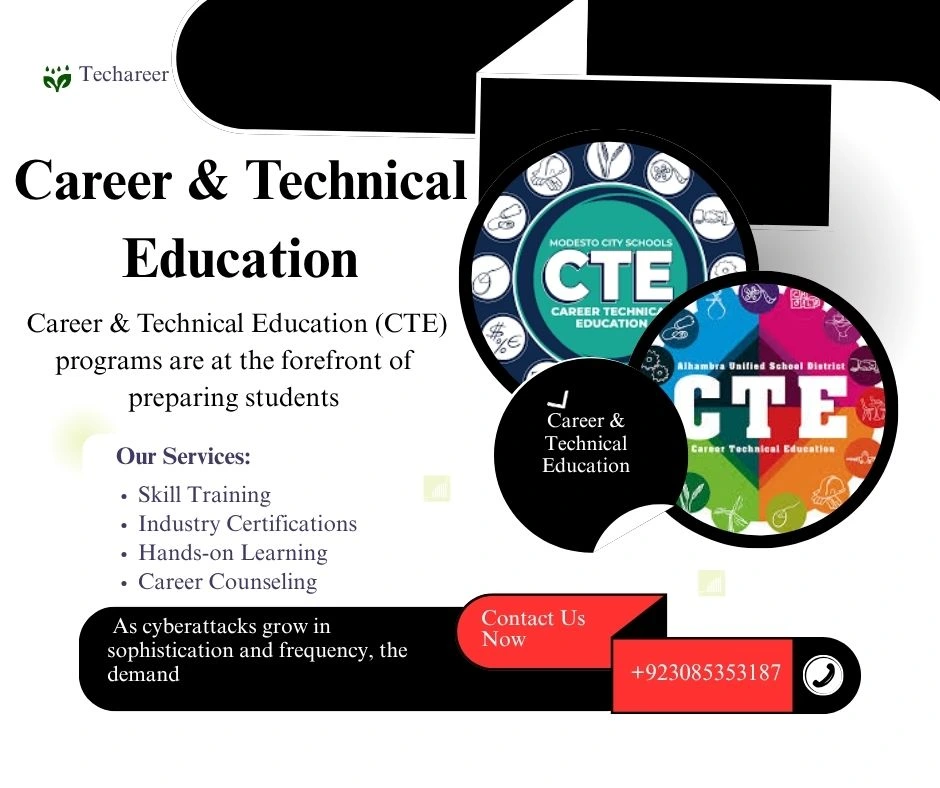
In today’s fast-evolving digital world, cybersecurity has become a critical field, safeguarding organizations, governments, and individuals from cyber threats. As cyberattacks grow in sophistication and frequency, the demand for skilled cybersecurity professionals is skyrocketing. Social engineering data breach prevention plays a pivotal role in safeguarding sensitive information, highlighting the need for specialized knowledge in this area. Career & Technical Education (CTE) programs are at the forefront of preparing students to meet this demand by equipping them with the technical skills and hands-on experience required for successful careers in cybersecurity. This blog explores how CTE empowers future cybersecurity experts and why investing in these programs is essential for the digital future.
What is Career & Technical Education (CTE)?
Career & Technical Education refers to specialized programs designed to provide students with practical skills and knowledge related to specific industries, including cybersecurity, healthcare, engineering, and more. In the cybersecurity field, learning about the best antivirus solutions is a crucial part of the curriculum. Career & Technical Education bridges the gap between traditional academic education and real-world job requirements by focusing on hands-on training, technical expertise, and career readiness.if you more read relvent post then click this link https://trycybrex.com/ad-revenue/
Key Features of CTE Programs:
- Industry-aligned curriculum: Developed with input from industry experts to ensure relevance.
- Hands-on learning: Practical labs, simulations, and projects.
- Certifications and credentials: Opportunities to earn recognized qualifications.
- Career pathways: Clear routes from education to employment.

The Growing Importance of Cybersecurity Education
With cyber threats increasing, cybersecurity is no longer a niche domain but a mainstream necessity. Cyberattacks, including issues related to identity and access management and ransomware protection, can disrupt businesses, compromise sensitive data, and even threaten national security. According to recent reports, the global shortage of cybersecurity professionals is expected to reach millions in the coming years. This shortage presents both a challenge and an opportunity for students entering the workforce
Why Cybersecurity Education Matters:
- Protects critical infrastructure from attacks.
- Safeguards personal and corporate data privacy.
- Supports compliance with regulatory requirements.
- Drives innovation in security technologies.
How CTE Programs Empower Future Cybersecurity Professionals
1. Practical Skill Development
Career & Technical Education programs emphasize hands-on learning through labs and real-world projects. As part of this, students gain experience with security awareness training, equipping them with the skills necessary to identify and prevent potential security threats.
- Network security tools and protocols
- Ethical hacking and penetration testing
- Risk assessment and mitigation techniques
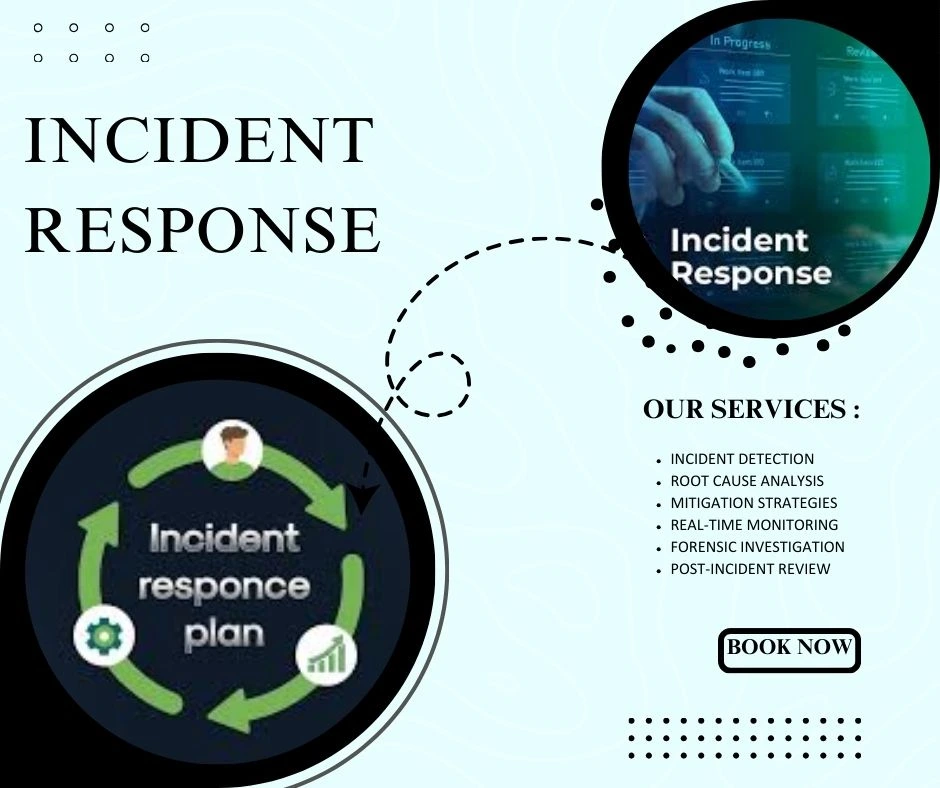
- Incident response and forensic analysis
2. Industry Certifications
Many CTE programs align their curriculum with certifications such as:
- CompTIA Security
- Certified Ethical Hacker (CEH)
- Cisco Certified Network Associate (CCNA) Security
- Certified Information Systems Security Professional (CISSP)
These credentials significantly enhance students’ employability and credibility in the cybersecurity field.

3. Exposure to Real-World Scenarios
By collaborating with local businesses, government agencies, and cybersecurity organizations, Career & Technical Education programs provide internships and mentorships. This real-world exposure helps students understand current threat landscapes and develop problem-solving skills.
4. Development of Soft Skills
CTE also focuses on communication, teamwork, and critical thinking, which are vital for cybersecurity professionals who must often work in cross-functional teams and explain complex security issues to non-technical stakeholders. Additionally, the integration of AI in cybersecurity is becoming increasingly important, helping professionals detect and respond to security threats more efficiently.
Benefits of Choosing a Cybersecurity Career through CTE
- Job Growth: Cybersecurity is one of the fastest-growing job sectors.
- Competitive Salaries: Skilled professionals command high pay.
- Job Security: High demand means more stable career prospects.
- Diverse Opportunities: Roles in government, private sector, consulting, and more.
Challenges in Cybersecurity Education and How CTE Addresses Them
| Challenge | CTE Solution |
|---|---|
| Rapidly changing technology | Continuous curriculum updates |
| Lack of hands-on experience | Lab-based practical training |
| Skills gap in new graduates | Industry partnerships & mentorships |
| Limited access to certifications | Integrated certification programs |
Conclusion
Career & Technical Education (CTE) is a powerful tool in shaping the next generation of cybersecurity professionals. By offering industry-aligned curricula, hands-on training, and real-world experiences, CTE programs not only prepare students for successful careers but also help bridge the critical skills gap in cybersecurity, including essential techniques like DDoS attack mitigation. As cyber threats continue to evolve, investing in CTE is investing in a safer digital future.